
How whey protein isolate can maximize muscle recovery gains?

Whey protein isolate is a fast absorbing, high purity protein that helps maximize muscle recovery gains by accelerating repair, reducing soreness, and supporting lean muscle growth after intense workouts.Muscle recovery is simple in theory: train, refuel with high quality protein, repeat. In practice, it gets complicated when lactose sensitivity makes “standard” whey shakes feel heavy, gassy, or uncomfortable.
Whey protein isolate solves a real performance problem. It delivers fast, complete amino acids with minimal lactose, so you can hit your protein targets without fighting your stomach and keep your recovery nutrition consistent enough to make an actual impact.
Benefits of Whey Protein Isolate
Whey protein isolate is a fast-digesting, high-quality protein that delivers essential amino acids to muscles when they need them most after training. Whey protein isolate supports muscle repair by rapidly increasing protein synthesis, helping reduce soreness and speed up recovery time.
Whey protein isolate is low in fat and lactose, making it easier to absorb and ideal for athletes seeking efficient post-workout nutrition. Whey protein isolate can maximize muscle recovery gains by promoting lean muscle growth, improving performance, and preparing the body for the next training session.
Why lactose sensitivity makes traditional protein shakes a poor fit
A lot of athletes avoid whey because they associate it with lactose-heavy dairy. The issue is that not all whey is the same.
Many common “whey protein” products use whey protein concentrate. Concentrates typically retain more lactose and fat than isolates, which can be enough to cause GI problems for lactose-sensitive people especially when you stack it with post-training dehydration, high heart rate, and a stressed gut.
Whole-food dairy can be even less predictable. Yogurt, milk, ice cream, and “protein” coffees vary widely in lactose content and digestion speed, and they’re harder to dose precisely.
That’s the hidden cost of lactose issues: not just discomfort, but inconsistent recovery nutrition.
Whey isolate vs concentrate: what changes and why it matters
Whey protein isolate is filtered further than concentrate. The goal is straightforward: keep the protein fraction high and strip out more of what you don’t want (lactose and fat).
Whey isolate is often easier on the stomach because it reduces lactose to very low levels while preserving the protein quality. For lactose sensitive athletes, that usually means better compliance: you can use it daily without dreading the aftermath.
If you’re comparing labels across popular options (for example, vital strength wpi, Musashi) the key is still the same: confirm it’s an isolate, check serving size vs protein grams, and avoid unnecessarily heavy add-ins that make it harder to tolerate.
Quick comparison for lactose-sensitive athletes
| Option | Typical lactose level | Digestion feel for lactose-sensitive users | Protein quality | Best use case |
|---|---|---|---|---|
| Whey protein isolate | Very low | Usually easier | Complete, fast | Post-workout, daily top-ups |
| Whey protein concentrate | Low to moderate | Can be hit-or-miss | Complete, fast | If you tolerate lactose well |
| Milk or ice cream | Moderate to high | Often problematic | Complete, slower due to fat | Not ideal for precise recovery |
| Plant blends (varies) | None | Often easier | Can be incomplete unless blended well | If dairy-free is required |
| Collagen protein | None | Usually easy | Incomplete (low in key EAAs) | Joint/skin support, not primary recovery protein |
If you’re lactose sensitive, the best protein is the one you can take consistently.
Whey isolate’s higher protein percentage means you get more usable protein per scoop with less lactose, less fat, and typically fewer digestive consequences. Practically, this helps you do three things that directly impact recovery outcomes:
- Hit your daily protein target more reliably
- Get a fast dose after training without a “brick in the stomach” feeling
- Stack protein with hydration (important when appetite is low or you’re training hard)
How to use whey isolate for better recovery (simple protocol)
You don’t need a complicated plan. You need repeatable dosing that fits your training schedule and your gut.
Post-workout (the “easy win”)
Take 20–40 g of whey isolate within 0–2 hours after training, depending on body size and session intensity. If you’re smaller or training lighter, stay closer to 20–25 g. If you’re larger or finishing high-volume sessions, 30–40 g can be more practical.
If you don’t feel like drinking a shake, a simple backup is a lactose-friendly ready-to-drink option like clear protein water or a protein bar just to make sure it still delivers enough total protein and doesn’t upset your stomach.
Daily total protein (the real driver)
For lean mass and recovery, the bigger lever is total daily intake. Use isolate as a tool to fill gaps especially at breakfast and post-workout, where many athletes under-eat protein.
If you’re sensitive, tighten the variables
- Start with a half serving for 2–3 days
- Mix with water first (not milk)
- Avoid stacking with high-fat meals immediately post-workout if your stomach is reactive
- Choose formulas that stay light and drinkable, so you actually finish them
Hydration + protein: the overlooked recovery stack
Recovery is not only protein. Dehydration slows performance and can make digestion worse, especially after long or hot sessions.
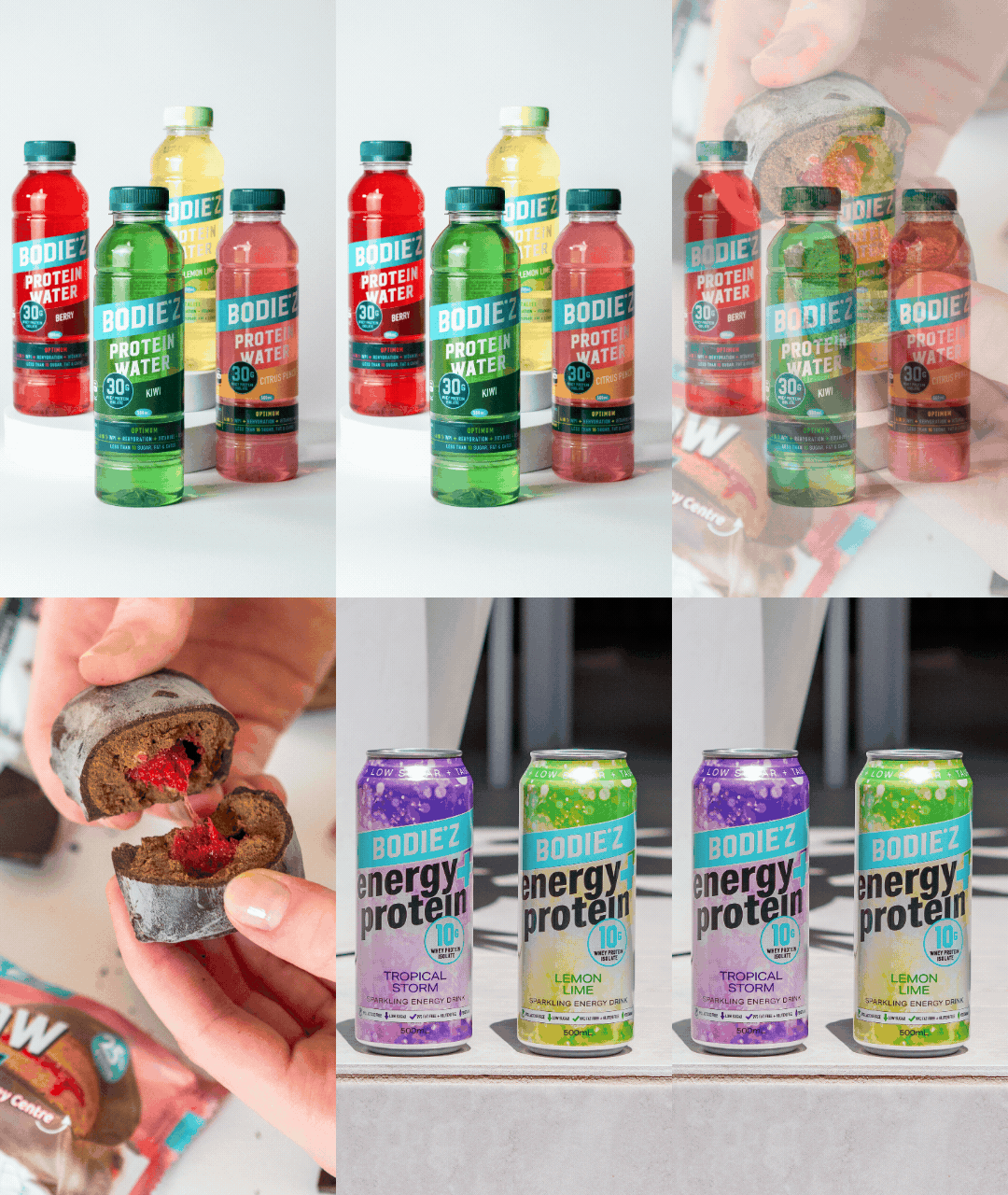
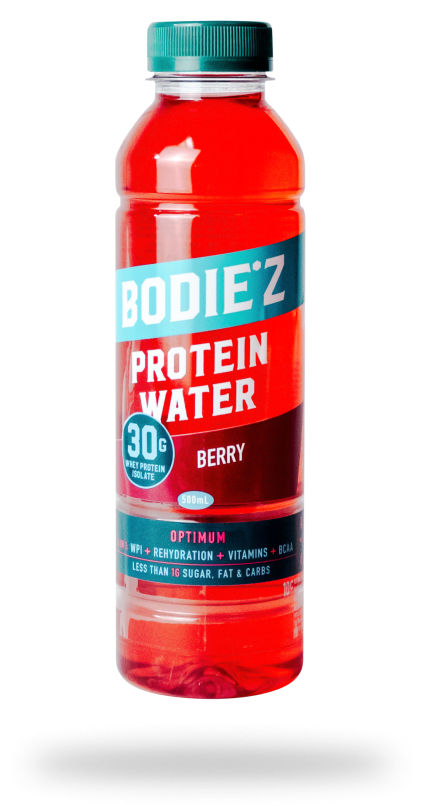
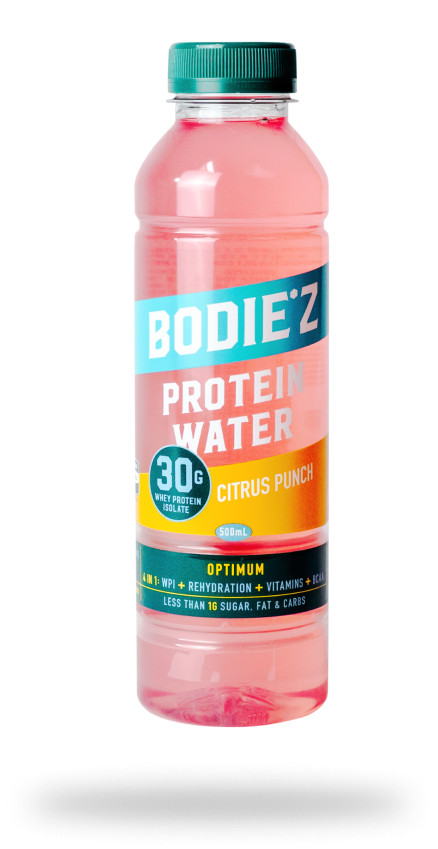
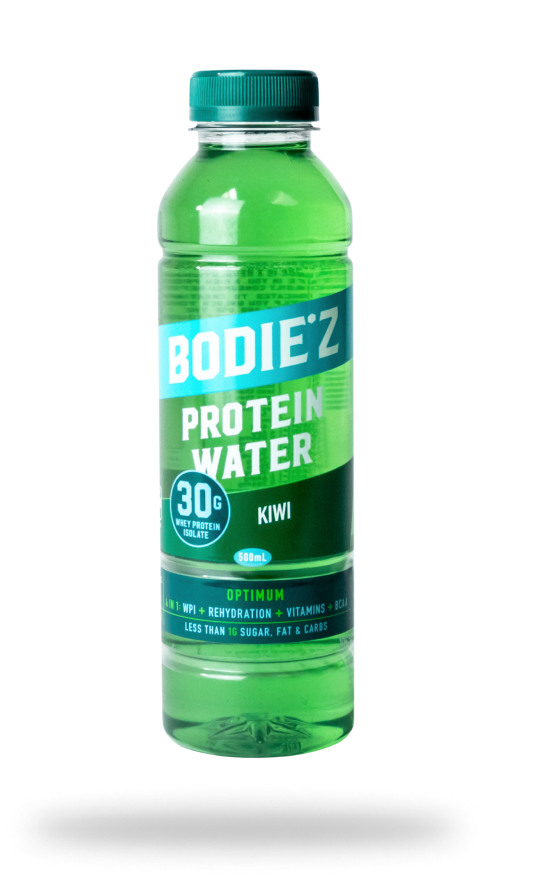
That’s why many athletes prefer a protein water format: you can rehydrate while you take protein, without the thick, milky texture that turns recovery into a chore.
BODIE’Z was built around this exact use case of protein based hydration that’s lighter, more efficient, and practical. If you want a streamlined option that supports both hydration and muscle recovery, explore BODIE’Z protein hydration products on the official site: bodiez.com
Common mistakes lactose-sensitive athletes make with whey
Assuming all whey is the same
“Whey” on a label doesn’t tell you the lactose level. If lactose is a problem, prioritize whey protein isolate and look for filtration-focused processing. If you’re buying locally (including places like chemist warehouse), double-check you’re not accidentally grabbing concentrate when you want whey protein isolate.
Under-dosing because you’re trying to avoid symptoms
If your protein makes you feel bad, you’ll naturally take less of it. That’s why isolate’s tolerability is a performance feature, not a preference.
Using slow, incomplete alternatives without a plan
Some alternative proteins can work, but they may require more planning to match whey’s amino acid profile and absorption speed. If you don’t enjoy that planning, whey isolate removes the barrier while keeping the recovery outcome strong.
That includes being realistic about “trend” picks like earth protein blends or collagen protein: they can fit a broader routine, but they’re not a 1:1 replacement for whey isolate when your goal is muscle repair.
Bottom line: Whey Protein Isolate removes the lactose barrier without sacrificing results
If you’re training hard and managing lactose sensitivity, whey protein isolate is one of the most efficient recovery tools available. It delivers a complete amino acid profile, fast absorption, and typically minimal lactose so you can stay consistent with the nutrition that actually drives muscle repair and growth.
If you want recovery nutrition that feels lighter and more usable day-to-day, a protein hydration approach like BODIE’Z can make the routine easier to execute especially when traditional shakes don’t fit your gut or your schedule.
For completeness: Whey Protein Isolate can sit alongside basics like vitamins and other supplements in a broader routine, but your primary driver is still total protein and consistency.