
Protein water vs. Protein shake: Which is better for workout sessions?

Protein water offers a smarter way to support digestion, hydration, and performance during intense workout training sessions compared to traditional shakes.
Choosing the right protein source can significantly impact how your body digests, hydrates, and performs during intense workout training sessions.
Training twice (or even three times) in a day changes the nutrition game. It’s not just more calories it’s a tighter recovery window, higher connective tissue stress, and less tolerance for heavy, slow-digesting drinks between sessions.If you’re stacking sessions, a practical target is around 1.25 to 1.5 grams of protein per kilogram of body weight per day, delivered in a way that supports muscle recovery, joint and tendon integrity, and hydration without crushing your gut. If your main goal is to maintain or gain weight-appropriate lean mass, this target is often easier to execute with smart distribution.
Two-a-day training creates repeated cycles of muscle protein breakdown and repair, plus ongoing mechanical load on tendons, ligaments, and joint structures. The result is simple:
- You have more total protein to hit
- You have less time to digest it
- You have more reasons to keep hydration and electrolytes consistent
This is where many athletes get stuck: they try to force extra protein through traditional milky protein shake, then wonder why they feel heavy, bloated, or flat during session two: especially if they’re drinking thick, slow-moving shakes too close to training.
Protein water helps you to achieve your daily protein target intake.
A high daily protein target is only useful if you can actually execute it, day after day without GI issues.
When you push most of your protein into 1–2 large hits (for example, one big shake plus a massive dinner), you create two common problems:
- Digestive load spikes (sloshy stomach, reflux, cramps, appetite suppression)
- Coverage gaps appear between sessions (you’re technically “high protein,” but practically under-fueled during key windows)
Distributed intake solves this: smaller, repeated doses that you can tolerate especially in lighter formats that don’t sit in the stomach and don’t turn every hour into a heavy bout of eating.
Distributed protein intake: what “good” actually looks like
Instead of asking “how do I drink more shakes,” ask:
How do I distribute protein across my day, using formats that I can digest while training?
A simple performance-driven structure:
- 4–7 protein feedings/day, depending on your schedule and appetite
- One protein hit close to each session
- At least one easy-to-consume option when solid food isn’t realistic (for example, a protein bar when you’re between meetings, lifts, and conditioning)
Example: 80 kg. athlete training twice daily
Daily protein target at 1.25–1.5 g/kg:
- 80 × 1.25 = 100 g/day
- 80 × 1.5 = 120 g/day
That’s not “one protein shake.” That’s a system.
Meal supplements vs concentrated protein: know the difference
Not all “protein products” function the same. Some are basically meals. Others are concentrated protein delivery.
Here’s the practical distinction athletes should care about:
| Format | What it’s best for | Typical downside when training multiple times/day |
|---|---|---|
| Whole-food meals | Baseline nutrition, micronutrients, total calories | Too slow/heavy too close to training |
| Meal replacement shakes (higher fat/fiber) | When you need calories + fullness | Can be thick, slow to clear, GI risk pre-session |
| Concentrated protein (clear protein water or isolate-forward products) | Fast, efficient protein delivery with low “heaviness” | Requires planning to cover total calories elsewhere |
| Protein snacks | Convenient top-ups between meetings and sessions | Can have empty calories when trying to maintain caloric intakes. |
Traditional protein shake can work especially when you have time to digest and you tolerate dairy-based thickness. But multi-session days reward solutions that are:
- Light in the stomach
- Fast to consume
- Compatible with hydration and electrolytes
- Easy to repeat multiple times
This is exactly where protein-based hydration stands out: you’re not choosing between “protein” and “hydration” you’re executing both in one step.
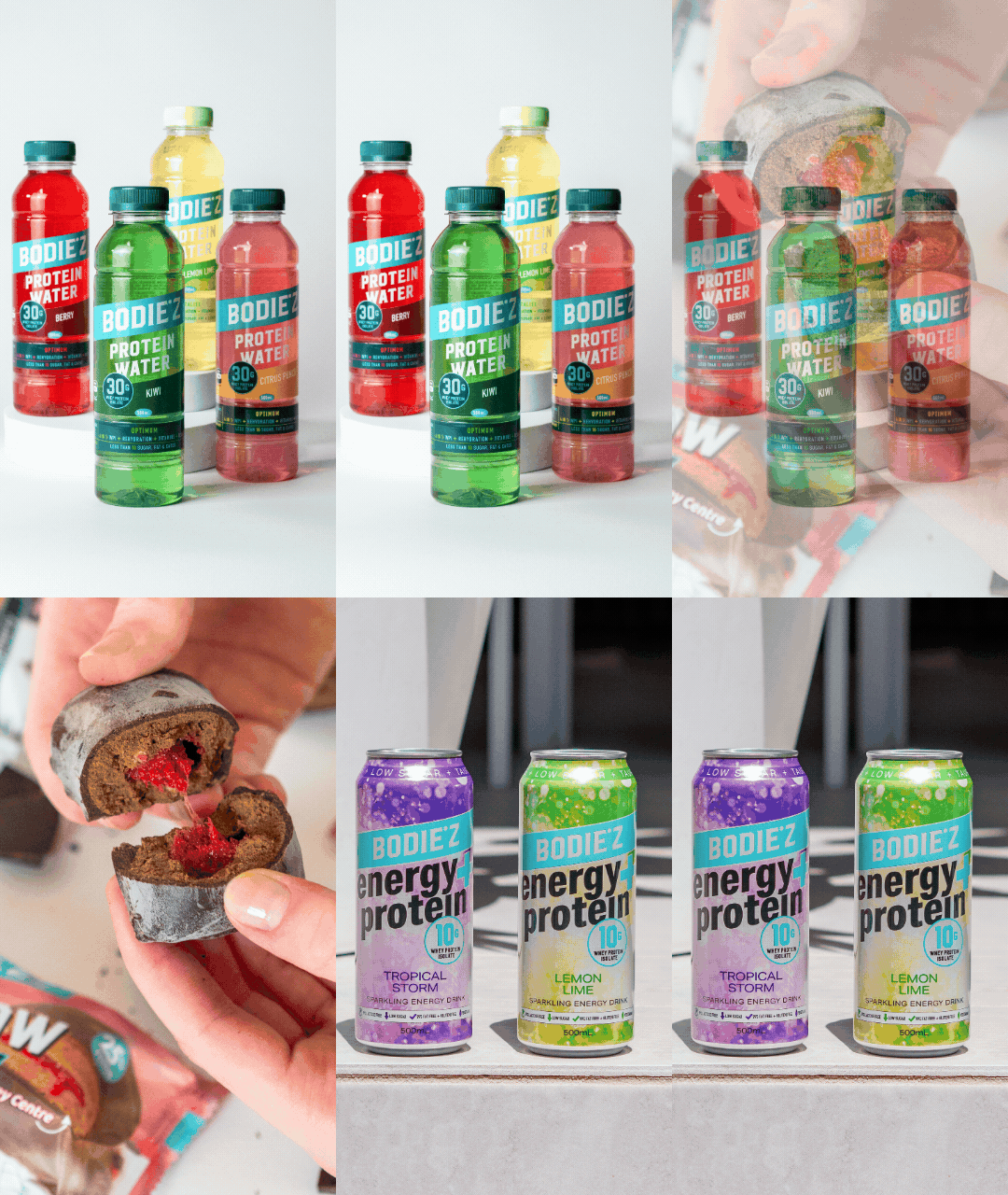
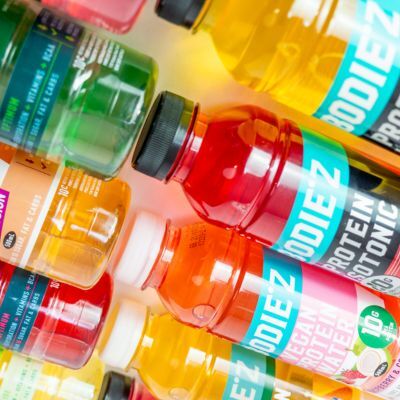
BODIE’Z builds around that concept: protein-forward hydration products designed for athletes who want a lighter alternative to heavy, milky protein shake. (That matters because a lot of mainstream “fitness” options are honestly over-hyped: good marketing, poor day-to-day tolerability.)
For example, BODIE’Z ready-to-drink isotonic protein waters include options formulated with whey protein isolate plus electrolytes, positioned for rapid hydration and recovery support. (bodiez.com)
BODIE’Z formats that match multi-session demands
If your main failure point is “I can’t keep another thick shake down,” you want protein delivery that stays out of your way.
A few examples from the BODIE’Z lineup:
- Endurance protein water (ready-to-drink): positioned as an isotonic solution with electrolytes lost in sweat and 20 g protein. (bodiez.com)
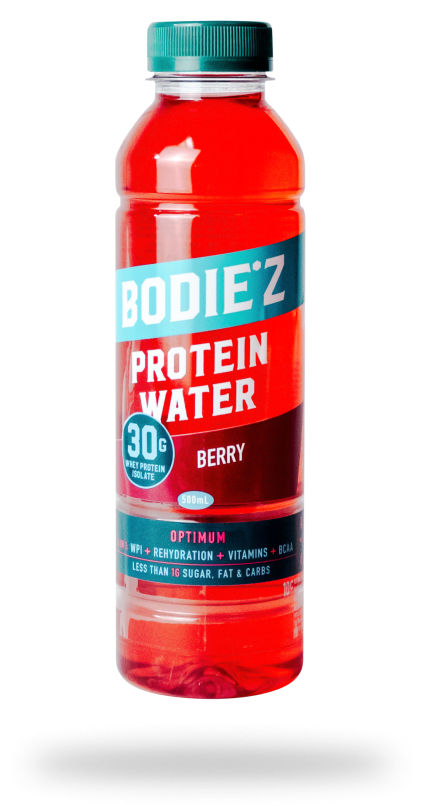
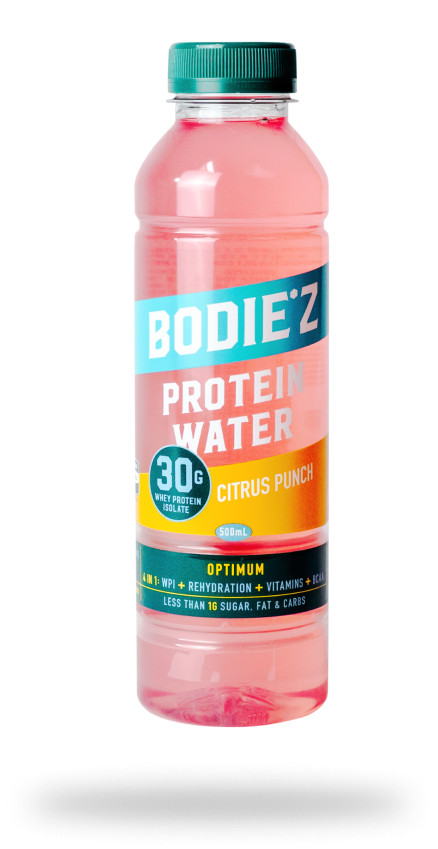
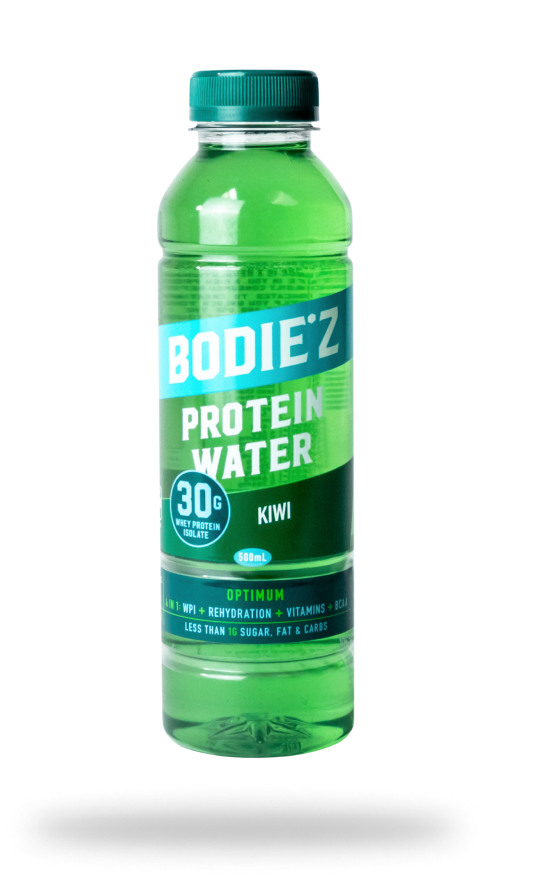
- Optimum protein water (ready-to-drink): positioned as a refreshing water base with a blend including 30g protein plus vitamins/minerals. (bodiez.com)
- Protein water powder options: including a “Shred & Burn” style product delivering 20 g whey protein isolate per serve and mixing with water. (bodiez.com)
If you want to browse formats by goal (hydration + protein, endurance powders), start at the main site and choose the format that best fits your training day structure. (bodiez.com)
A practical protein distribution plan for two-a-day athletes
This isn’t a rigid template, it's an execution model that keeps your stomach and performance stable.
Session day structure (example)
- Breakfast (solid meal): 40–60 g protein
- Pre-session top-up (light): 15–30 g protein (only if needed and tolerated)
- Post-session 1 (fast + light): 20–30 g protein in a low-heaviness format
- Midday meal (solid): 40–60 g protein
- Pre-session 2 (minimal gut load): optional small top-up if your lunch timing is tight
- Post-session 2 (fast): 20–30 g
- Dinner + pre-bed (solid, slower): 60–90 g combined depending on your target
Notice what’s happening: the “in-between” slots are lighter, which is where many athletes struggle most.If your second session quality drops, the fix is often not “more caffeine” it’s better execution of protein + fluids + electrolytes between sessions, using formats you can actually tolerate.Managing GI load: the hidden limiter
Multi-session athletes commonly underperform because the gut becomes the bottleneck. A few specification-driven rules help:
- Keep heavier, higher-fat protein options farther from training
- Use lighter delivery between sessions (clear, water-based formats can reduce perceived heaviness)
- Avoid turning every protein hit into a full meal your stomach needs bandwidth for training, not constant digestion
This is also why “concentrated protein” is a useful category: you can hit protein targets without stacking unnecessary volume and thickness.
A traditional protein shake has whey protein concentrate that can be more filling (and sometimes harder on sensitive stomachs), while protein water has whey protein isolate that typically causes a light feeling for many athletes.
Where GLP-1 users fit in (without complicating the plan)
Athletes using GLP-1 medications often face a similar execution problem: reduced appetite plus higher risk of missing protein targets. In that scenario, convenient, water-based protein delivery can make daily compliance easier especially when full meals feel like too much.
The key is still the same: distribute protein in tolerable formats and keep hydration consistent.
The takeaway: Start building a protein system.
If you train multiple times per day, you don’t need more motivation you need a repeatable plan that delivers:
- High daily protein (1.25–1.5 g/kg)
- Distributed feedings
- Low GI burden between sessions
- Hydration and electrolyte consistency
Traditional shakes can be part of that. They just shouldn’t be the only tool.
When you want a lighter, athlete-centric way to hit protein while staying on top of hydration, BODIE*Z’s protein hydration formats are built specifically for that gap. (bodiez.com)